Performance marketing is often treated like a numbers game.
Marketers focus on:
- CTR
- CPC
- ROAS
- Budgets
- Dashboards
But in 2025, many high-spend campaigns still fail — not because of bad targeting or weak platforms, but because brands ignore customer psychology.
Performance marketing doesn’t start in Ads Manager.
It starts in the human brain.
The Biggest Mistake in Performance Marketing Today
Most brands ask:
“How do we optimize this campaign?”
Very few ask:
“Why would someone actually care about this ad?”
When ads don’t connect emotionally, no amount of optimization can save them.
Performance Marketing Is Psychological Before It’s Technical
Every high-performing ad answers at least one of these questions instantly:
- Does this relate to me?
- Does this solve a problem I care about?
- Do I trust this?
- Is this worth my attention right now?
If the creative doesn’t trigger curiosity, emotion, or relevance in the first 2 seconds, performance collapses.
Why Logic Alone Doesn’t Convert
Brands often rely on:
- Features
- Specifications
- Discounts
- Offers
But humans don’t buy logically first — they buy emotionally first and justify later.
Ads that only say:
- “Best quality”
- “Affordable”
- “High performance”
- “Trusted brand”
Get ignored.
Ads that show:
- Frustration → relief
- Before → after
- Doubt → confidence
- Problem → solution
Get watched, clicked, and converted.
How Customer Psychology Impacts Key Performance Metrics
1. Watch Time
Emotion keeps people watching.
Longer watch time tells the algorithm the ad is valuable.
2. CTR
People click when they feel understood, not impressed.
3. Conversion Rate
Trust reduces hesitation.
Relatable creatives convert faster.
4. ROAS
Better emotional connection = better downstream performance.
Psychology directly affects performance — even if it’s not visible in dashboards.
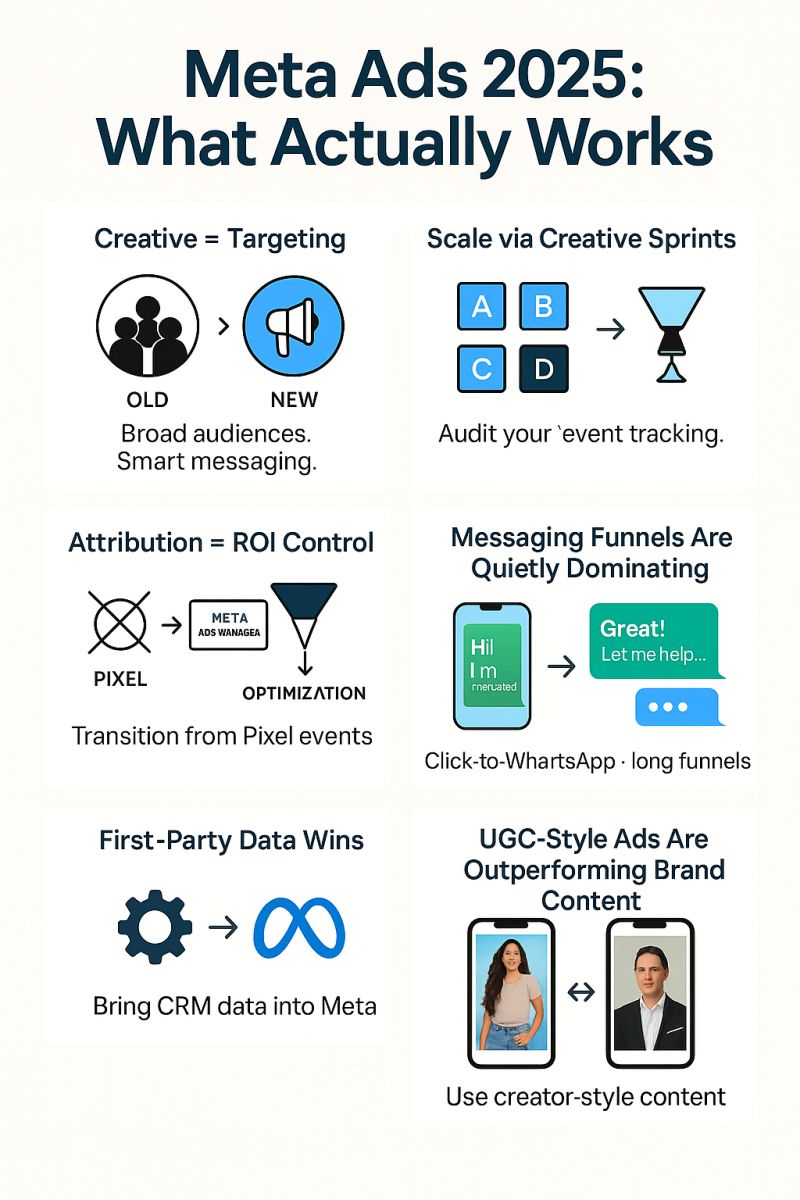
Why UGC Works So Well Psychologically
UGC (User-Generated Content) works because it aligns perfectly with how humans make decisions.
UGC:
- Feels like advice, not advertising
- Uses real faces and voices
- Shows imperfections (which build trust)
- Mimics how friends recommend products
This is why UGC ads consistently outperform studio ads in performance campaigns.
The Psychology Behind “Scroll-Stopping” UGC
High-performing UGC uses:
- Facial expressions (humans react to faces instantly)
- Honest reactions (“I didn’t expect this…”)
- Confessions (“I made this mistake…”)
- Social proof (“Everyone kept recommending this…”)
These triggers activate:
- Curiosity
- Empathy
- FOMO
- Trust
That’s psychology at work.
Why Brands Build Creative Systems Around Psychology
Winning brands don’t rely on one “smart ad”.
They build systems that:
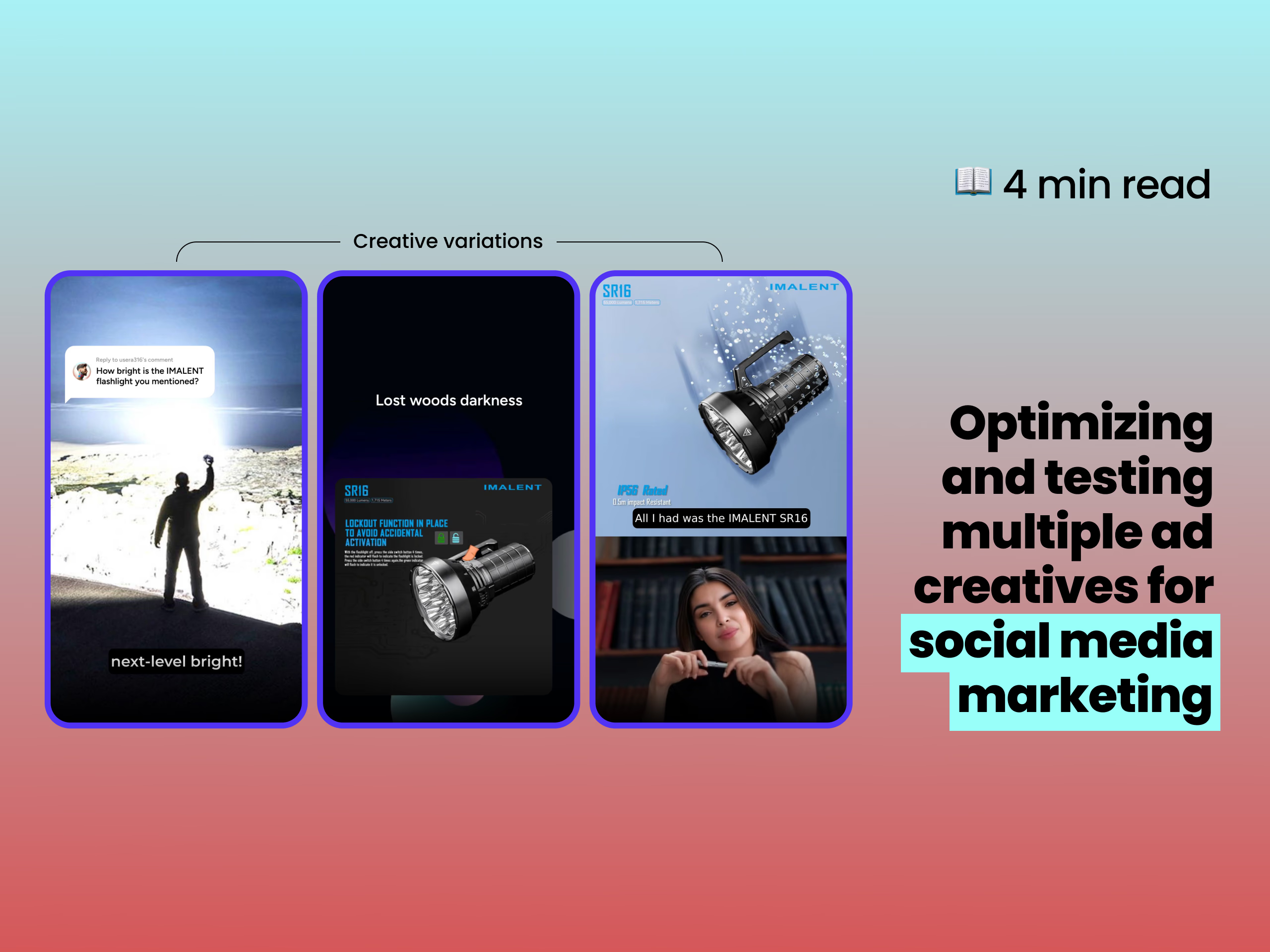
- Test emotional angles
- Rotate storytelling formats
- Use multiple creators
- Refresh creatives frequently
This ensures they’re always aligned with how audiences feel — not just how platforms operate.
Many brands do this by working with UGC-focused agencies like Creator Navigator, which help brands produce psychologically-driven UGC creatives built for performance, not just aesthetics.
Instead of guessing what might work, this approach lets brands test emotional responses at scale.
Why Performance Marketers Must Think Like Psychologists
In 2025, performance marketers need to understand:
- Attention spans
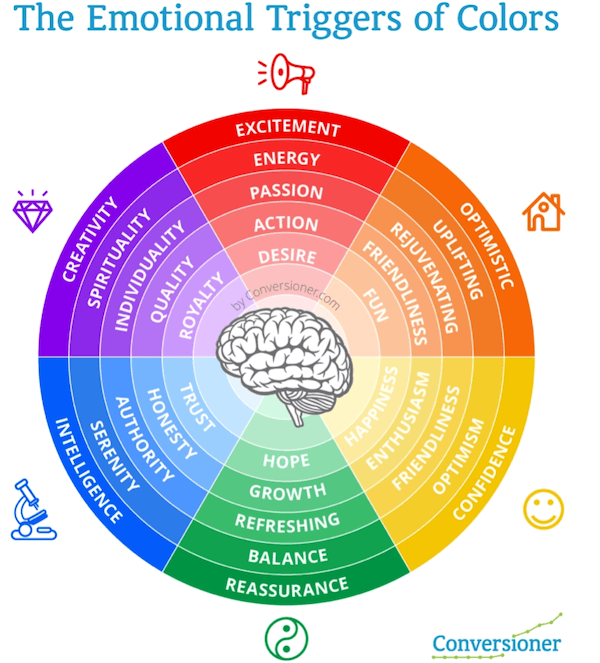
- Emotional triggers
- Viewer intent
- Decision fatigue
Knowing where to place a button matters.
Knowing why someone clicks matters more.
The best performance marketers:
- Study human behavior
- Understand storytelling
- Think like customers
- Test emotional hooks continuously
Signs Your Ads Are Ignoring Psychology
Your ads might be failing if:
- People watch less than 3 seconds
- CTR keeps dropping
- Creatives fatigue quickly
- Comments say “looks like an ad”
- Results improve only when discounts increase
These are emotional disconnect signals.
How to Fix Performance Marketing Using Psychology
Start here:
- Replace features with stories
- Use faces instead of logos
- Lead with problems, not products
- Show outcomes, not claims
- Test emotions, not just formats
Performance improves when ads feel human.
Final Thoughts
Performance marketing in 2025 isn’t broken.
It’s just misunderstood.
Brands that treat ads like math problems struggle.
Brands that treat ads like human conversations win.
Targeting matters.
Budgets matter.
Platforms matter.
But psychology decides everything.
If you want better performance, don’t just optimize campaigns —
optimize how your ads make people feel.