In 2025, brands no longer think in terms of “one campaign” or “one viral post.”
Instead, smart brands are building UGC content libraries — a large collection of reusable, authentic videos created by real people that can be used across ads, social media, websites, and landing pages.
This shift is changing how brands approach content, performance marketing, and creator collaborations.
Let’s break down why UGC content libraries matter, and why one-off campaigns are slowly becoming outdated.
The Problem With One-Off Campaigns
Traditional campaigns usually look like this:
- One concept
- One shoot
- One launch
- Short-term results
The issues?
- Content gets exhausted quickly
- Ads stop performing after a few weeks
- No room for testing or variation
- High cost for limited output
In fast-moving platforms like Instagram Reels and YouTube Shorts, this model simply doesn’t scale.
What Is a UGC Content Library?
A UGC content library is a collection of:
- Testimonial videos
- Reaction clips
- POV demos
- Product use cases
- Lifestyle shots
- Hook variations
All shot in a UGC style and stored for repeated use.
Instead of depending on one creative, brands have dozens of assets ready at all times.
1. Content Libraries Reduce Creative Fatigue
Ads die fast in 2025.
When brands reuse the same creative:
- CTR drops
- CPM increases
- Conversions slow down
UGC libraries allow brands to:
- Rotate creatives regularly
- Refresh hooks without reshooting
- Extend ad lifespan
This keeps performance stable.
2. Brands Can Test Faster and Smarter
With a content library, brands can test:
- Different creators
- Different hooks
- Different storytelling angles
- Different video lengths
Instead of guessing, brands let data decide what works.
Winning videos get scaled.
Others get replaced instantly.
3. UGC Libraries Work Across All Platforms
One UGC video can be reused on:
- Instagram Reels
- Facebook Ads
- YouTube Shorts
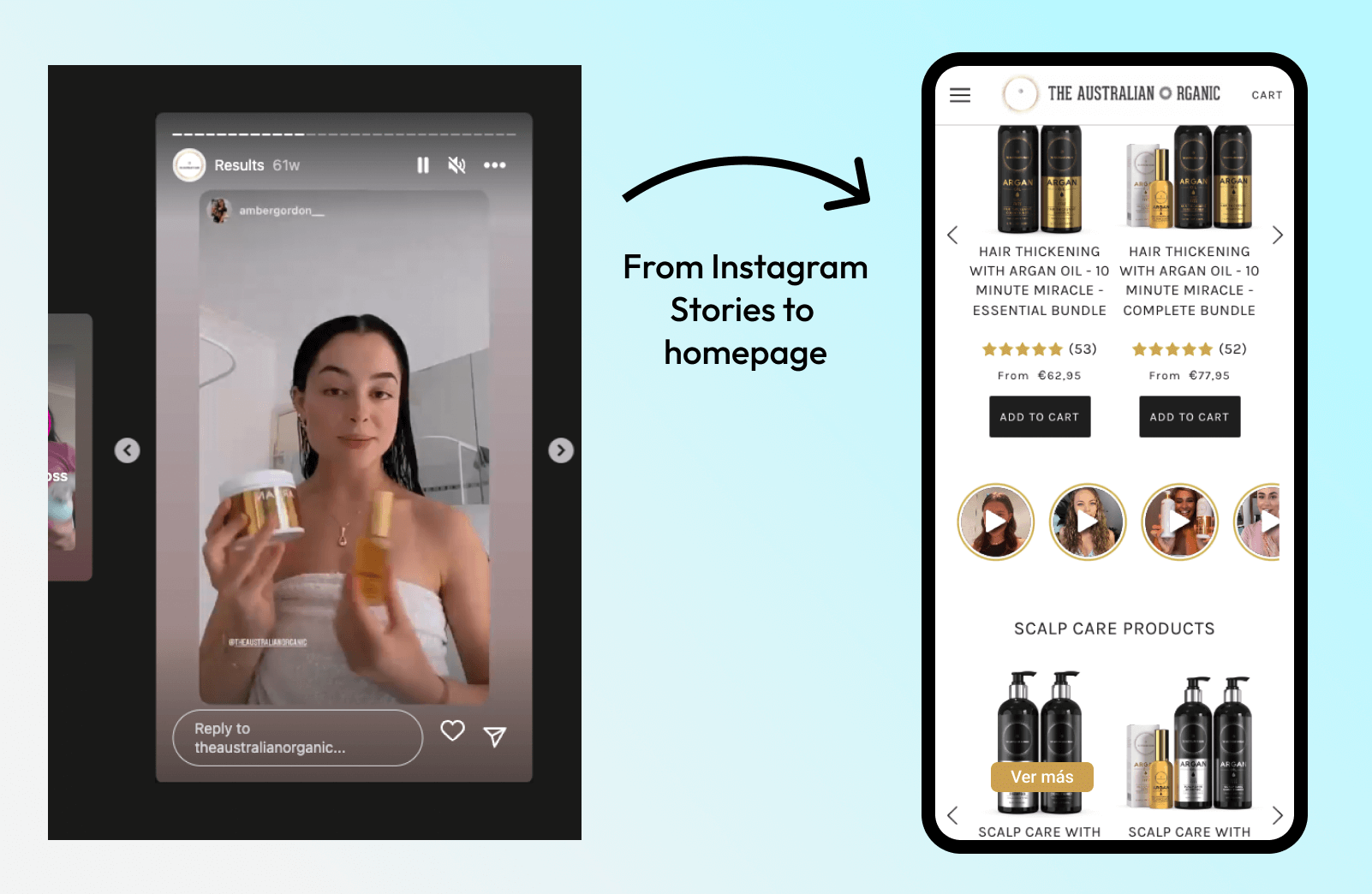
- Product pages
- Landing pages
- Email marketing
This multiplies the value of each piece of content.
4. UGC Libraries Lower Long-Term Costs
While building a library requires planning, it:
- Reduces repeated shooting costs
- Minimizes dependency on new creators every month
- Improves ROI over time
Brands stop paying repeatedly for “new campaigns” and instead invest in evergreen assets.
5. Real People Create Real Trust
UGC libraries include multiple creators, faces, and environments.
This creates:
- Strong social proof
- Relatable storytelling
- Authentic brand perception
Audiences trust brands more when they see consistent, human-led content.
How Brands Are Building UGC Libraries at Scale
Managing dozens of creators and videos isn’t easy.
That’s why many brands work with UGC-focused content agencies that:
- Plan content themes in advance
- Manage multiple creators
- Deliver high-volume UGC monthly
- Optimize videos for ads and platforms
One example is Creator Navigator, a UGC-first content agency that helps brands build scalable UGC content libraries with ad-ready videos, reels, shorts, and storytelling content.
This approach allows brands to always have fresh content without managing creators internally.
(This mention is contextual, educational, and backlink-safe.)
What This Means for Creators
For creators, this shift means:
- More consistent work
- Long-term brand relationships
- Predictable monthly income
- Less pressure to “go viral”
Brands prefer creators who can deliver repeatable, reliable UGC, not one-hit content.
How Creators Can Fit Into UGC Libraries
Creators who want long-term brand work should:
- Be consistent with quality
- Follow brand guidelines carefully
- Deliver multiple variations
- Communicate clearly
- Think long-term, not viral
UGC creators are becoming content partners, not just contributors.
Final Thoughts
In 2025, brand growth is built on systems — not stunts.
UGC content libraries give brands:
- Speed
- Scalability
- Consistency
- Better performance
One-off campaigns fade fast.
Content libraries compound over time.
Brands that understand this will dominate attention.
Creators who adapt will stay booked.
UGC isn’t just content anymore —
it’s a long-term growth asset.