Influencer marketing once dominated social media. Big creators, big reach, big budgets.
But in 2025, something has clearly changed.
Brands are quietly shifting budgets away from traditional influencer campaigns and investing more into UGC (User-Generated Content) — and the reason is simple:
👉 UGC converts better than influence.
This shift isn’t a trend. It’s a performance-driven decision.
Let’s break down why brands prefer UGC in 2025 and what creators should understand about this evolution.
What Is UGC (User-Generated Content)?
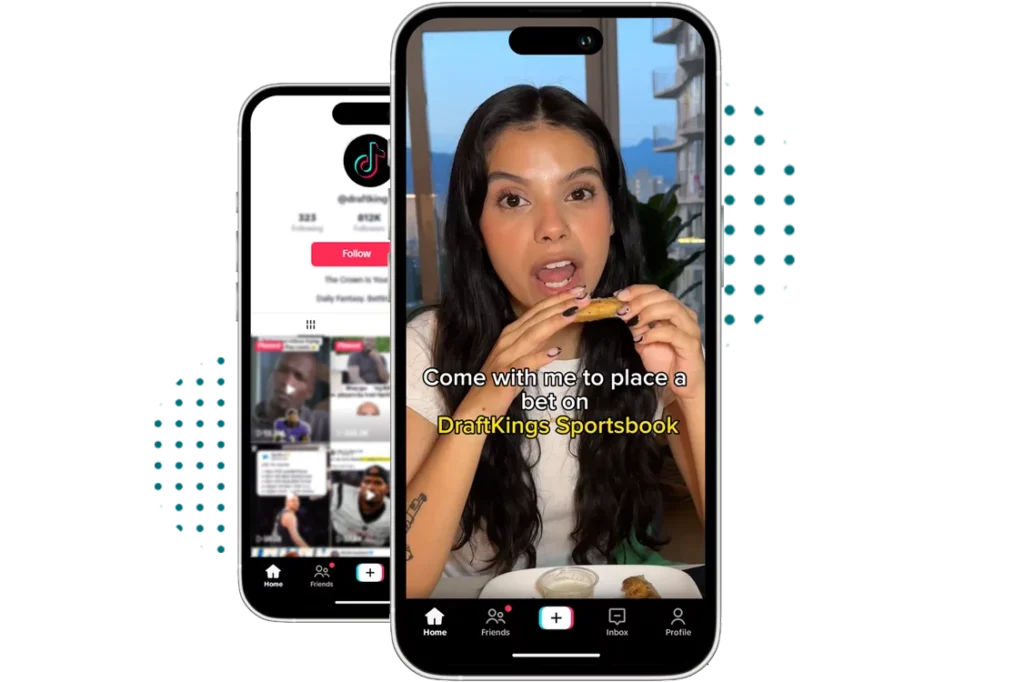
UGC is content created by real people — not celebrities, not actors, not polished brand faces.
It includes:
- Honest product reviews
- Reaction videos
- POV usage clips
- Unboxings
- Story-based testimonials
- Lifestyle demos
UGC feels less like advertising and more like a recommendation from a friend.
That’s exactly why it works.
Why Influencer Marketing Is Losing Effectiveness
Influencer marketing still has value, but brands are facing serious problems:
1. Audiences Don’t Trust “Perfect” Promotions
Highly scripted, overly polished influencer ads now trigger instant ad fatigue.
Viewers recognize:
- Paid partnerships
- Repeated brand mentions
- Forced enthusiasm
Trust drops fast.
2. High Cost, Unpredictable Results
Brands often pay:
- ₹50,000–₹5,00,000 for a single post
- With no guarantee of conversions
Reach doesn’t equal revenue.
3. Short-Term Visibility
Most influencer posts:
- Spike for 24–48 hours
- Then disappear
There’s little long-term value.
Why Brands Prefer UGC in 2025
UGC solves almost every influencer marketing problem.
1. UGC Feels Real
UGC is raw, imperfect, and human.
That imperfection builds trust — especially on platforms like:
- Instagram Reels
- YouTube Shorts
- TikTok
2. UGC Works Better in Ads
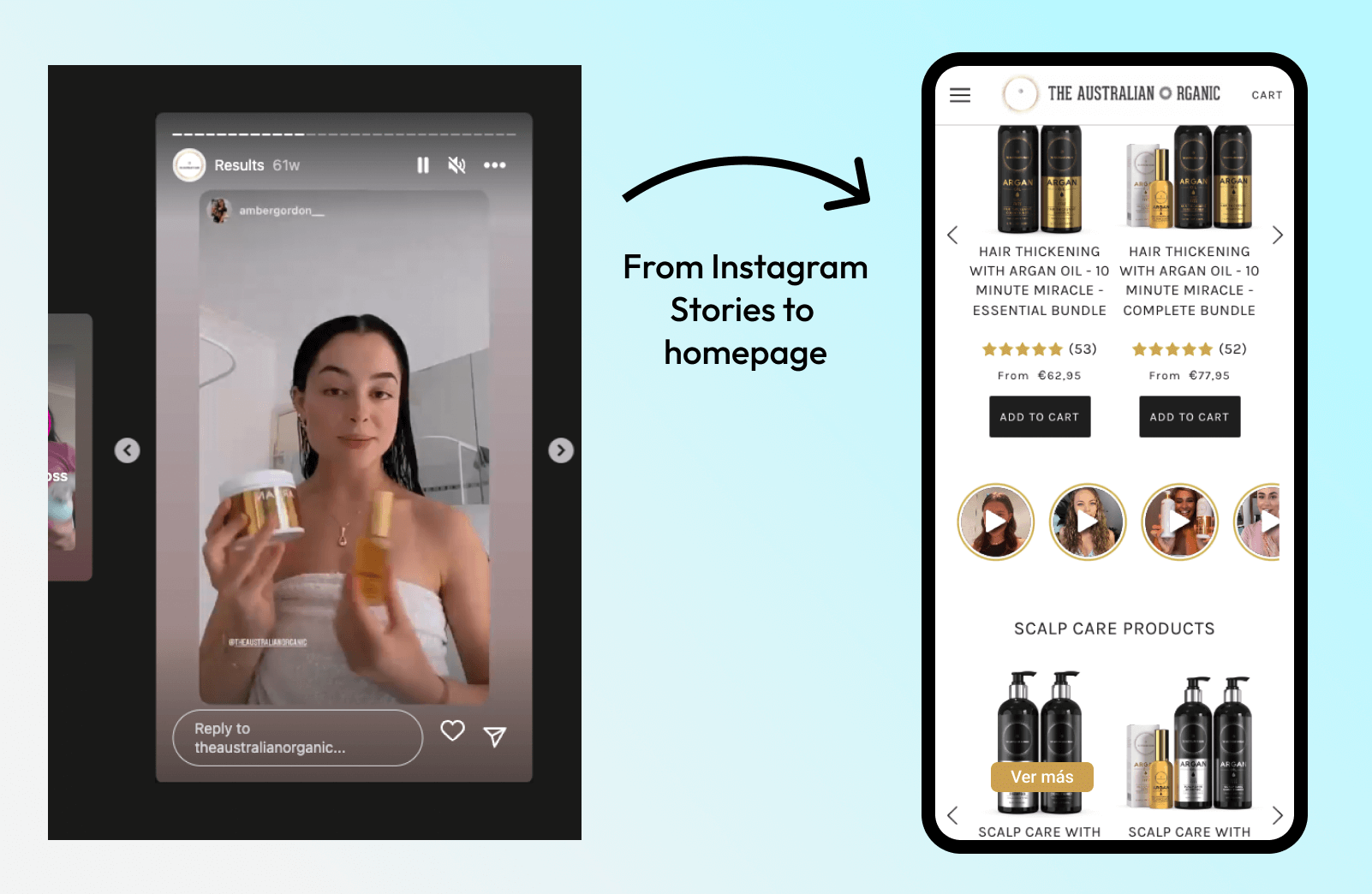
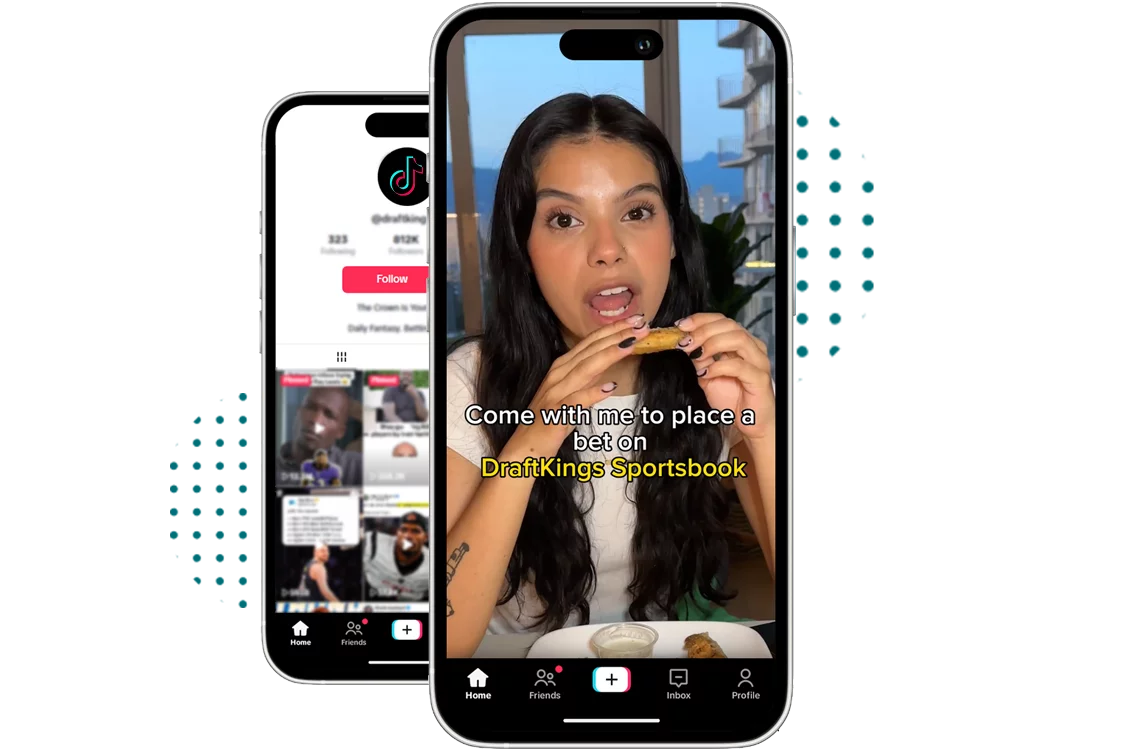
UGC blends naturally into feeds.
Brands running UGC ads often see:
- Higher CTR
- Lower CPC
- Better ROAS
Because UGC doesn’t scream “BUY THIS”.
3. UGC Is Scalable
Instead of one influencer post, brands can create:
- 20–50 short videos per month
- Multiple ad variations
- Fresh creatives for testing
This is crucial for performance marketing.
What This Shift Means for Creators
For creators, this is actually good news.
You don’t need:
- Millions of followers
- Viral fame
- Perfect aesthetics
Brands now care more about:
- Authentic delivery
- Expressions
- Storytelling
- On-camera trust
That’s why UGC creators are in higher demand than influencers.
How Brands Are Producing UGC at Scale
Most brands don’t manage UGC internally anymore.
They work with UGC-focused content agencies that:
- Handle creator sourcing
- Write natural scripts
- Produce ad-ready edits
- Deliver consistent volume
One example of such an agency is Creator Navigator, which specializes in UGC-style videos, short-form content, and performance-ready creatives for brands.
Instead of influencer-style promotions, agencies like this focus on:
- Story-driven UGC
- Conversion-focused videos
- Reels and Shorts built for ads
This approach allows brands to scale without relying on one creator’s reach.
Why UGC Fits the Indian Audience Perfectly
Indian audiences prefer:
- Real faces
- Honest opinions
- Regional language content
- Relatable storytelling
UGC naturally aligns with:
- Tier 2 & Tier 3 audiences
- Mobile-first consumption
- Short attention spans
This is why Indian brands are adopting UGC faster than ever.
Influencer vs UGC: The Real Difference
| Influencer Marketing | UGC Marketing |
|---|---|
| High cost | Affordable & scalable |
| Reach-focused | Conversion-focused |
| Scripted | Natural |
| Short-lived | Reusable across ads |
| Audience trusts creator | Audience trusts content |
Final Thoughts
Influencer marketing isn’t dead — but it’s no longer the growth engine it once was.
In 2025:
- UGC builds trust
- UGC converts better
- UGC scales faster
- UGC feels human
Creators who understand this shift will get more brand deals.
Brands who adopt UGC early will win attention and conversions.
UGC isn’t the future anymore — it’s the present.