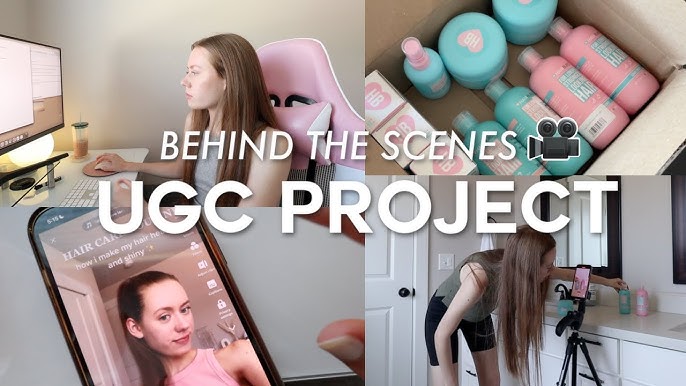
UGC works.
Everyone knows that.
Yet many brands still say:
“We tried UGC… it didn’t work for us.”
The truth is simple:
UGC fails when it’s treated like an ad instead of a conversation.
Let’s break down the biggest reasons brands fail with UGC — and how they can fix it.
Mistake #1: Over-Scripting the Creator
When brands give:
- 2-page scripts
- Forced brand lines
- Corporate language
UGC loses its magic.
Fix:
Give creators talking points, not scripts. Let them speak naturally.
Mistake #2: Using the Wrong Creators
Not every creator fits every brand.
UGC fails when:
- The creator doesn’t look like the customer
- Delivery feels fake
- Emotions are missing
Fix:
Choose creators who represent your actual audience.
Mistake #3: Making UGC Look Like an Ad
Too many logos.
Too many product shots.
Too much selling.
Fix:
Story first. Product second. Result last.
Mistake #4: No Clear Structure
Random clips don’t convert.
High-performing UGC follows a structure:
- Hook
- Problem
- Experience
- Result
- CTA
Without this flow, retention drops.
Why Brands Work With UGC Agencies
Brands that scale UGC usually don’t manage it alone.
They partner with UGC-first agencies that:
- Understand hooks & storytelling
- Produce content at scale
- Optimize videos for ads
- Manage multiple creators
One such agency is Creator Navigator, which focuses on building performance-ready UGC videos, Reels, Shorts, and ad creatives that actually convert.
This approach removes guesswork and improves consistency.
Final Thoughts
UGC doesn’t fail because the format is weak.
UGC fails because:
- It’s over-controlled
- Poorly structured
- Treated like advertising
When done right, UGC becomes the strongest growth asset for any brand.