For a long time, brands believed one big influencer could do the job.
One creator. One post. One spike in attention.
But in 2025, this strategy is quietly being replaced by something far more effective:
👉 Multiple small UGC creators instead of one big influencer.
This shift is happening across D2C, beauty, fitness, tech, apps, and even service-based brands. And it’s driven by performance, not popularity.
Let’s break down why brands now prefer many small creators — and what this means for the creator economy.
The Old Model: One Influencer, One Campaign
Traditional influencer marketing looks like this:
- High follower count
- High cost per post
- Limited creative variations
- Short-lived impact
While reach may be large, brands face problems:
- Low conversion tracking
- Ad fatigue after one post
- High dependency on one creator
Reach doesn’t guarantee results anymore.
The New Model: Multiple UGC Creators at Scale
Brands are now working with:
- 10–50 small UGC creators
- Different faces, voices, and styles
- Short-form, ad-ready videos
- Content that can be tested and scaled
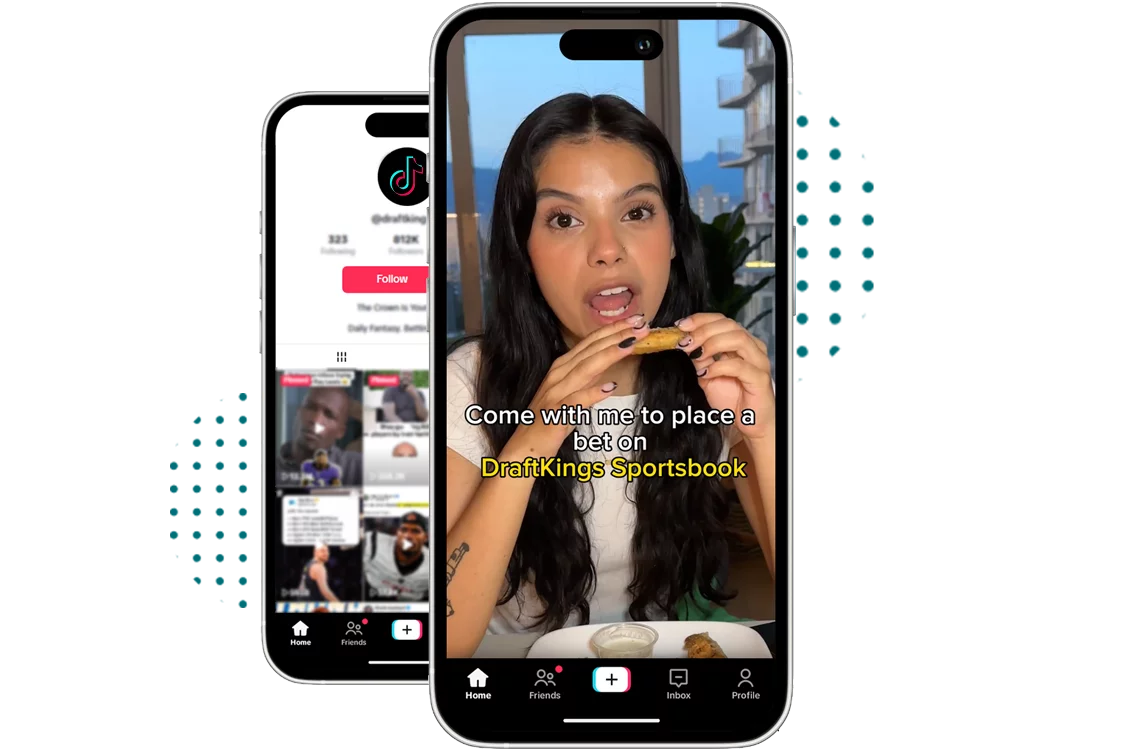
This approach fits perfectly with performance marketing and short-form platforms.
1. More Creators = More Trust Signals
Audiences trust repetition from different people.
When viewers see:
- Multiple people using the same product
- Different opinions, faces, and environments
- Similar experiences from different creators
Trust increases naturally.
It feels less like advertising and more like social proof.
2. Small Creators Feel More Relatable
Big influencers often feel distant.
Small creators feel:
- More real
- More honest
- More similar to the viewer
UGC filmed in bedrooms, kitchens, desks, or daily routines connects better than luxury influencer lifestyles.
3. Brands Can Test More Creatives Faster
Performance marketing thrives on testing.
With multiple UGC creators, brands can test:
- Different hooks
- Different story angles
- Different tones (calm, excited, emotional)
- Different video lengths
Winning creatives are scaled.
Losing ones are paused.
This system simply doesn’t work with one influencer post.
4. Lower Risk, Higher Consistency
Relying on one influencer is risky:
- If the post flops, the budget is wasted
- If the creator becomes controversial, brand image suffers
With multiple creators:
- Risk is spread
- Content flow is consistent
- Campaigns don’t stop if one video fails
Brands prefer systems over dependence.
5. UGC Creators Create Ad-Ready Content
Small UGC creators shoot content specifically for:
- Reels
- Shorts
- Paid ads
- Product pages
Influencer content is often not optimized for ads.
UGC content is built for performance, not vanity metrics.
How Brands Manage Multiple UGC Creators
Managing 20–50 creators manually is difficult.
That’s why brands often partner with UGC-focused agencies that:
- Source and manage creators
- Provide scripts and filming guidelines
- Ensure consistent quality
- Deliver ad-ready edits
One example is Creator Navigator, a UGC-first content agency that helps brands produce scalable UGC videos, Reels, Shorts, and ad creatives using multiple creators — without brands handling everything internally.
This allows brands to focus on growth while content production runs smoothly.
What This Means for Small Creators
This shift is great news.
You don’t need:
- 100k followers
- Viral fame
- Perfect aesthetics
Brands want:
- Clear communication
- Honest delivery
- Good expressions
- Basic video quality
- Consistency
If you can create trustworthy UGC, you are valuable.
How Creators Can Get Selected by Brands
To attract UGC work:
- Create sample UGC videos (even without brands)
- Show different hooks and angles
- Keep videos short and natural
- Learn basic editing and captions
- Build a simple UGC portfolio
Brands don’t hire followers — they hire content skill.
Final Thoughts
In 2025, brand growth is no longer built on one face.
It’s built on:
- Multiple creators
- Multiple perspectives
- Multiple stories
- Consistent UGC output
This is why brands prefer many small UGC creators over one big influencer.
For creators, this means more opportunities.
For brands, it means better performance.
UGC isn’t about influence anymore —
it’s about trust at scale.