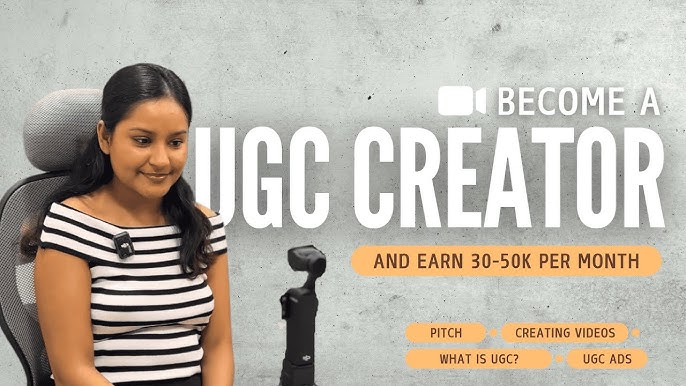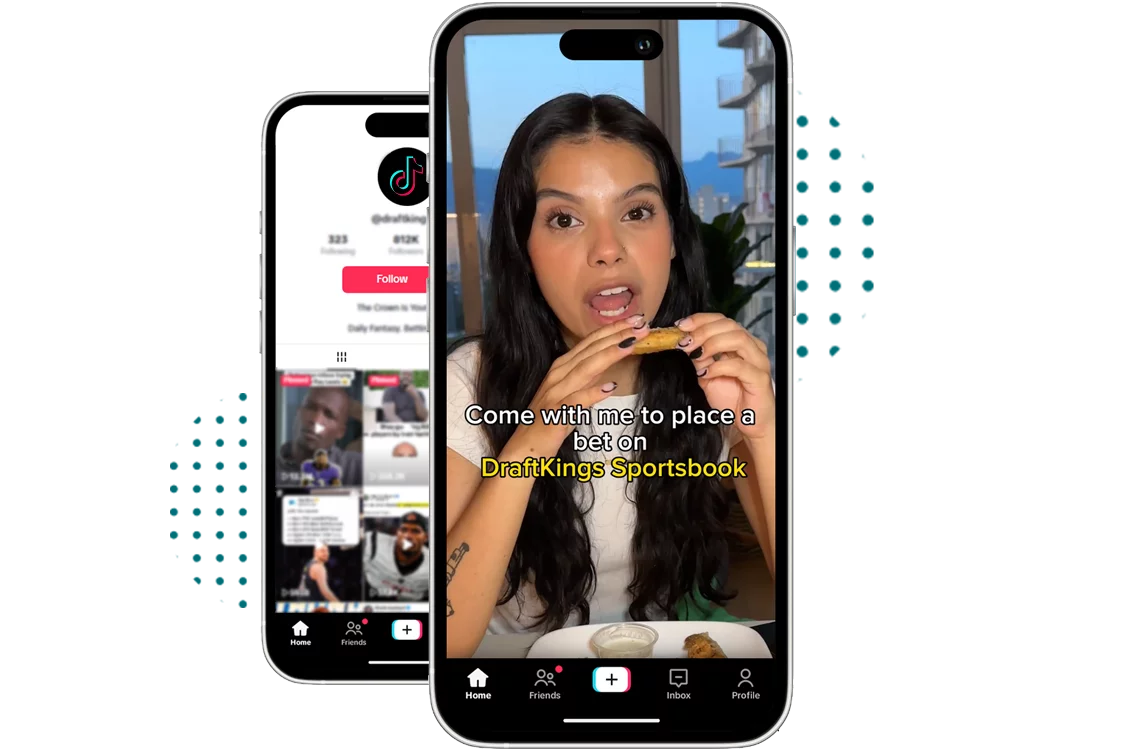
For years, brands believed influencer posts were the ultimate shortcut to reach and sales. Big faces, big followers, big hype.
But in 2025, brands are quietly shifting budgets toward something far more effective:
👉 UGC ads created by real people, not influencers.
This shift isn’t about trends — it’s about performance, trust, and scalability.
Let’s understand why brands now trust UGC ads more than influencer posts, and what this means for creators.
Influencer Posts vs UGC Ads: The Core Difference
An influencer post is built for visibility.
A UGC ad is built for conversion.
Influencer content often focuses on:
- Reach
- Likes
- Comments
- Aesthetic appeal
UGC ads focus on:
- Watch time
- Clicks
- Trust
- Sales
And brands care about sales.
1. UGC Ads Don’t Look Like Ads
Audiences have developed “ad blindness.”
The moment a video feels scripted, polished, or promotional — people scroll.
UGC ads work because they:
- Look like normal Reels or Shorts
- Feel like personal recommendations
- Blend naturally into feeds
That’s why they stop the scroll.
2. UGC Builds Trust Faster Than Influencer Endorsements
Influencer posts often feel expected.
Viewers know:
“This is paid.”
“This creator promotes brands daily.”
UGC ads feel different.
They sound like:
- “This actually helped me”
- “I didn’t expect this, but…”
- “Here’s my honest experience”
That honesty creates instant credibility.
3. Brands Can Test and Scale UGC Easily
One influencer post = one creative.
UGC ads allow brands to:
- Test 10–30 videos per month
- Experiment with hooks, formats, and angles
- Scale winning creatives quickly
Performance marketing demands volume and variation, and UGC delivers both.
4. UGC Ads Work Better Across Platforms
UGC ads perform consistently on:
- Instagram Reels
- Facebook Feeds
- YouTube Shorts
- TikTok
Because they’re platform-native and audience-friendly.
Influencer posts often struggle to translate into paid ads.
5. UGC Is Cost-Effective for Brands
Brands don’t want to spend lakhs on one post anymore.
With UGC:
- Cost per creative is lower
- Content can be reused across ads
- ROI is easier to measure
That’s why even large brands are replacing influencer budgets with UGC budgets.
How Brands Are Producing UGC Ads at Scale
Most brands don’t manage UGC internally.
They partner with UGC-focused agencies that handle:
- Creator sourcing
- Scriptwriting
- Filming guidelines
- Ad-ready editing
- Creative testing
One such agency is Creator Navigator, which focuses on producing UGC-style videos, short-form ads, and performance creatives designed specifically for paid campaigns.
Instead of influencer promotions, this approach helps brands build repeatable, scalable ad systems.
What This Means for Creators in 2025
Creators don’t need to chase followers anymore.
Brands are looking for:
- On-camera confidence
- Clear communication
- Emotional expression
- Storytelling ability
If you can create UGC-style videos that feel real, brands value you — even without an audience.
How Creators Can Position Themselves for UGC Ads
Creators who want consistent work should:
- Learn UGC ad formats
- Practice strong hooks
- Focus on expressions and delivery
- Shoot phone-style vertical videos
- Build a simple UGC portfolio
UGC creators are now content partners, not promoters.
Final Thoughts
Influencer marketing isn’t disappearing — but UGC ads are becoming the backbone of brand growth.
Brands trust UGC ads because they:
- Feel authentic
- Convert better
- Scale faster
- Cost less
Creators who adapt to this shift will stay relevant, booked, and paid in 2025 and beyond.
UGC isn’t about fame anymore.
It’s about trust, performance, and storytelling.